A Cabin, a Curry and No Baggage Fee: The Ferry Crossings That Make the Maths Work in 2026
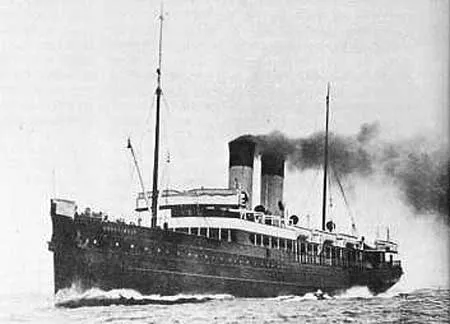
Photo: Harwich & Dovercourt, CC BY-SA 2.0, via Wikimedia Commons
Every cheap-flight article opens with the same magic number. £19.99. It is a wonderful number. It is also, by the time you have paid for a 10kg cabin bag, a seat next to your other half and the train to Stansted, somewhere north of £95 — and that is before you have booked anywhere to sleep.
Which is why a certain kind of British traveller keeps drifting back to the ferry terminal. Not because they are sentimental about the sea, but because the ferry is one of the last places in European travel where the price you see is close to the price you pay, and where the crossing can quietly replace a night's accommodation.
Here is how the four main foot-passenger routes actually stack up in 2026.
First, the fare that isn't the fare
A budget flight from the UK to the Netherlands, France or Belgium is realistically £50–£100 return if you book a few weeks out and are flexible on airports. Add the extras most people end up paying:
- 10kg cabin bag: £25–£45 each way
- 20kg hold bag: £35–£50 each way
- Chosen seat: £8–£12 each way
- Airport transfer at both ends: £20–£35
That is a realistic £120–£190 return, before a bed. Ferries do not charge for baggage in the same way — foot passengers turn up with a rucksack and a wheelie case and nobody blinks. That alone closes a big chunk of the gap.
Newcastle to Amsterdam: the overnight that eats a hotel bill
DFDS runs this one overnight, leaving the Tyne in the late afternoon and docking at IJmuiden around 9am the following morning. Foot passenger fares typically sit around £50–£65 each way; a two-berth cabin adds roughly £45–£70 per cabin, which split two ways is pocket money. A coach link runs from the terminal to Amsterdam Centraal for around £10–£12 return, and the onboard buffet breakfast is around £14.
Crunch it for one person sharing a cabin:
- Ferry return with cabin: £150–£180
- Breakfasts on board: £28
- Coach to the city: £12
- Total: roughly £190–£220 — and that includes two nights of somewhere to sleep.
The flight equivalent, once bags and transfers are counted, lands at £120–£190 — plus one hotel night in Amsterdam at £70–£90 and you have not yet paid for the second. Suddenly the boat is not the slow, expensive option. It is the cheaper one that also gets you there rested.
Hull to Rotterdam: the one where the cabin comes as standard
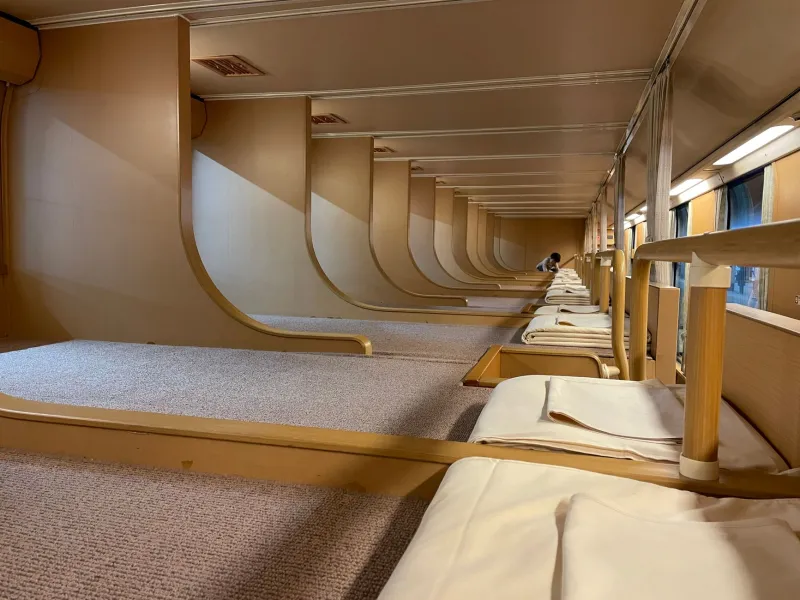
P&O's overnight from Hull to Europoort is the sleeper service of the North Sea. It leaves around 20:30 and docks at roughly 09:00, and foot passenger fares normally include a bunk in a shared cabin rather than charging it as an extra. Expect around £110–£160 return at the time of writing.
The catch is geography. Hull Paragon station is a ten-minute walk or a short taxi from the terminal, which is brilliant if you live in Yorkshire or the North East and a four-hour drive plus port parking (£8–£12 a day) if you live in Bristol. Run that parking cost through the sums before you get romantic about it — a week's parking can wipe out the saving entirely.
Portsmouth to Caen: the daytime crossing
Brittany Ferries runs the classic six-hour crossing to Normandy, with foot passenger fares around £50–£75 each way. Reclining seats are free, cabins are an optional £40–£90, and the real selling point is that bikes and dogs go without drama.
But be honest about what this route is. It is a daytime crossing, so you are not replacing a hotel night — you are replacing a day. If you are heading to a gîte for a week and the ferry fare is £20 cheaper than the flight plus bags, take the boat. If you are squeezing in a two-night Caen city break, the six hours each way will eat the trip.
Newhaven to Dieppe: the quiet undercutter
DFDS's four-hour crossing from Newhaven is the least glamorous route on this list and possibly the best value. Foot passengers pay around £30–£45 each way. From Dieppe, trains run to Paris in about two hours for £25–£40 if you book ahead.
Total return to Paris: roughly £110–£135, no baggage fees, no airport scrum. A budget flight plus cabin bag on the same trip lands around £120–£165. It is not a dramatic win — but you arrive in a Norman seaside town rather than a retail park outside Beauvais, and that is worth something.
Where the plane still wins
- Anything under three nights on a daytime crossing. You are trading six hours of holiday for £30.
- London to Dublin or Edinburgh. The ferry adds a coach and a sea leg where a 70-minute flight exists.
- When the port is far from home. Parking and a pre-dawn drive can add £60–£100 to a ferry trip.
- Dover to Calais on foot. Doable, but the terminal layout makes it a faff most foot passengers regret.
The break-even test
Before you book, answer five questions. Are you paying for a cabin bag or hold luggage? Add that fee to the flight side. Are you paying for a hotel the night before an early departure? Add it. Does the ferry arrive in the morning, giving you a full day rather than a travel day? Are you travelling with children, for whom a cabin with a bunk bed is a treat rather than a compromise? And do you actually need a car at the other end?
Three or more yeses and the boat usually wins. Fewer than that and the £19.99 flight is doing its job.
The verdict
Overnight North Sea crossings — Newcastle and Hull — are the strongest case in 2026, because they kill two costs with one ticket. Newhaven to Dieppe is the sneaky budget pick for Paris and Normandy. Portsmouth to Caen is a fair-weather friend: great for a week away, wrong for a city break.
The ferry is not automatically cheaper. But it is far closer to the price on the tin than the airline is, and on the right route, that bed at sea is the best-value hotel room in Europe.