Night Shift: The Sleeper-Train Sums That Beat a Budget Flight and a Hotel
A £29 flight has a funny way of becoming a £150 trip. There is the train to the airport, the transfer at the other end, the cabin bag that costs more than the seat, and the hotel room you check into at midnight and leave at 6am. The sleeper train is often sold as the romantic option. In 2026 it can also be the spreadsheet option — if you compare the right things.
The real comparison is not train fare versus flight fare
The mistake is putting a £60 sleeper berth next to a £35 flight and calling the train expensive. The flight is not just the flight. For a fair test, compare door-to-door costs and count the bed. A sleeper train is doing two jobs at once: transport and accommodation. A flight only does one, then hands you a hotel bill.
That does not mean the train always wins. It means the maths has to include the boring bits: bags, transfers, meals, and the value of arriving in a city centre rather than a business park 40 minutes outside it.
Three UK-to-Europe sleepers worth costing in 2026
Most UK sleeper trips to Europe are really two trains: Eurostar from London St Pancras to Brussels or Paris, then an overnight service onwards. The sample budgets below are one-way, solo, shoulder-season estimates for 2026, booked two to four weeks ahead. Treat them as planning figures, not live quotes.
| Route | Flight version, all-in | Sleeper version, all-in | Typical verdict |
|---|---|---|---|
| London to Berlin via Brussels | £155–£245 | £125–£200 | Sleeper often saves £20–£45 once a bag and hotel night are counted |
| London to Vienna via Brussels | £185–£255 | £145–£215 | Close, but the sleeper can win if you avoid a private-room upgrade |
| London to Prague via Brussels | £155–£215 | £120–£185 | Strongest case for the train, especially with a checked bag |
The flight version includes a low-cost fare, a cabin or checked bag, airport transfers at both ends, one night in a budget hotel, and a simple meal. The sleeper version includes Eurostar, the couchette or reclining seat, a reservation fee, and a picnic-style meal. Prices move around wildly, but the pattern is consistent: the sleeper looks dearer until the hotel night and airport faff are added back in.
Where the sleeper quietly saves money
City-centre arrival is the underrated win. Brussels Midi, Berlin Hauptbahnhof and Vienna Hauptbahnhof put you near public transport, not on the edge of town. That can knock £10–£20 off transfers and save an hour of your day. Rail luggage rules are also kinder than airline rules. A normal suitcase and rucksack are usually included, so the £30–£50 bag fee disappears.
Then there is the hotel night. If you would genuinely have paid for a room, the sleeper is replacing a cost, not adding one. If you were going to stay with friends or take a daytime train anyway, the comparison changes completely.
The extras that wreck the maths
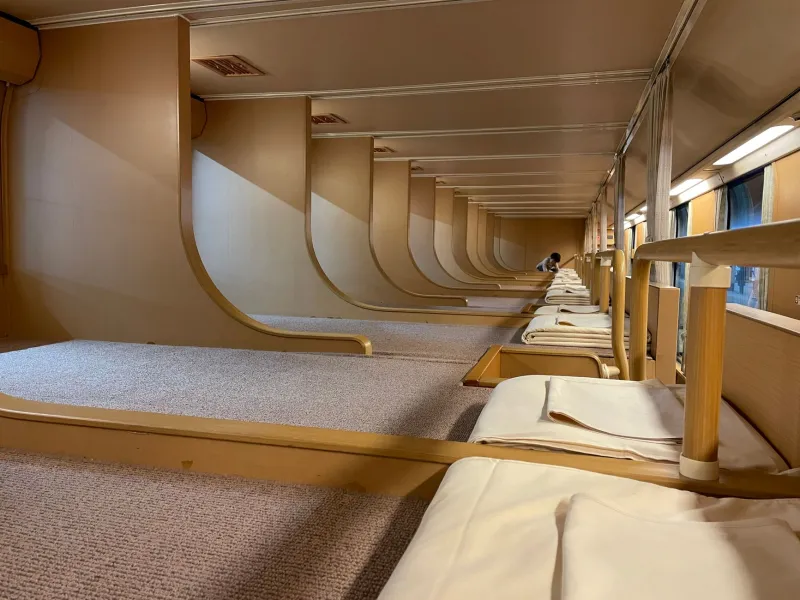
The headline sleeper fare is rarely the full story. A six-berth couchette is the budget option; a private sleeper cabin can double the price. Breakfast is often extra, or basic enough that you will buy something at the station. The bar car is convenient and priced accordingly, so pack a supermarket picnic. Eurostar and the overnight train are usually separate tickets, which means a delay is not automatically protected. Leave at least 90 minutes in Brussels, and longer if you are on the last connection of the day.
Early arrival is another hidden cost. If you roll into Berlin at 6am and cannot check in until 3pm, you may need luggage storage or a shower. That is still often cheaper than a hotel, but it belongs in the total. Solo travellers should also check whether a couchette is sold per berth or per compartment; the cheap-looking fare can be for a shared space, not a private room.
A simple rule for booking the sleeper
Add up the flight version: fare + bags + airport transfers at both ends + one night's hotel + any meal you would only buy because of the flight time. Add up the sleeper version: rail fare + reservation + meals + onward transfer + any luggage storage or shower you need on arrival.
Book the sleeper if it is cheaper. If it is up to £15 more, it is a fair swap for city-centre arrival and a saved travel day. If it is more than 15% dearer, fly — unless you specifically want the train experience. And if you would not have paid for a hotel night anyway, do not pretend the sleeper is saving you money.
That is the overnight test. The sleeper train is not automatically the greenest, cheapest or most sensible choice. But in 2026, on the right route and with the right berth, it can be the rare budget travel move that feels like a treat and still balances the books.