The €15 Handshake: When the 'Free' Walking Tour Stops Being the Cheap Choice

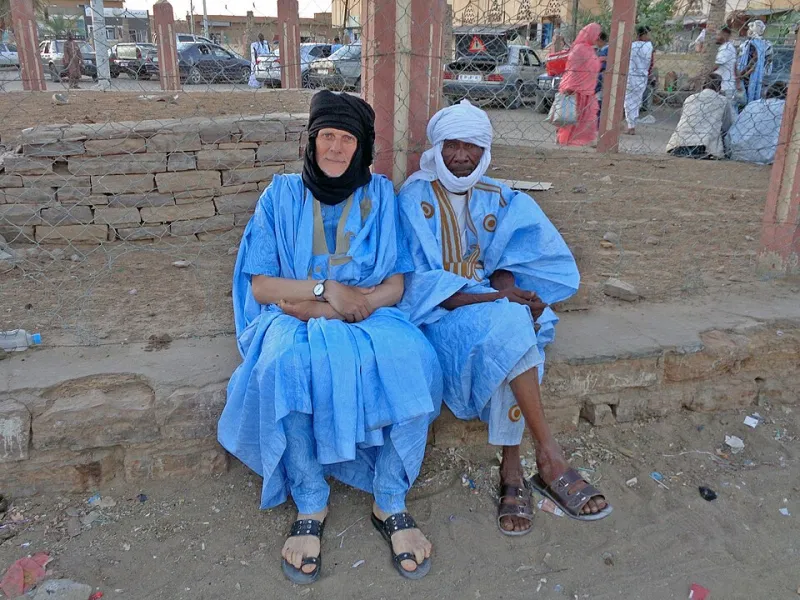
Photo: GButtersnaps, CC BY 4.0, via Wikimedia Commons
The free walking tour is one of the great inventions of European city travel. It's also the one budget item where the price is decided in the moment, by you, in front of thirty other people.
That's fine for some travellers and quietly expensive for others. Here's the honest version.
How the model actually works
Nobody is paying the guide a wage. They turn up, deliver two and a half hours of genuinely useful orientation, and get paid at the end by whoever feels like it. There is no fee, no ticket, no obligation — and also no protection if the tour is poor, the group is enormous, or the guide spends the last twenty minutes recommending a tapas bar owned by their cousin.
That doesn't make the model dishonest. It does make it variable, and variability is a cost.
What the tip actually comes to
Guides in Berlin, Prague, Lisbon, Budapest and Krakow will usually tell you that €10–€15 per person is typical. Realistically, in 2026, €10 is the minimum polite amount for a tour that was decent, €15–€20 for one that was excellent, and a note in your pocket for one that was a hard sell.
Do the sums per hour:
- Two people paying €15 each for 2.5 hours: €30, or €12 an hour for the pair
- A family of four paying €12 each: €48, or €19 an hour
- Solo, paying €12: €4.80 an hour — extraordinary value
The pattern is obvious. The free tour is a brilliant deal for one or two people and a distinctly average one for four.
The costs that don't appear in the hat
Time. Waiting for latecomers, a slow group pace, a break so the guide can buy a coffee, and the etiquette of thirty people crossing a street together. You will cover noticeably less ground than you would alone.
The sales pitch. Several operators use the tour as a funnel for paid day trips and pub crawls. Some handle it gracefully. Some don't.
The pressure. Cash-only, card machine 'not working', a concluding speech about student loans. If you've ever handed over €20 you didn't plan to, you know how the pricing actually works — and it isn't an auction, it's a mood.
Group size. City rules vary. Barcelona restricts guided groups in parts of the old town to around 15 people, and several cities have cracked down on amplification. Elsewhere, a 35-person free tour with no headset means you hear every third sentence.
What a fixed-price tour gives you
A paid walk at £15–£25 per person typically caps numbers at 12–15, guarantees a guide who is being paid regardless of your mood, and often bundles a museum or cathedral entry that would cost £8–£10 on its own. Small-group food and history walks sit higher, £40–£60, but include tastings.
Compare like for like: a family of four paying €48 in tips for a crowded 2.5-hour free tour, versus £70 for a capped small-group tour that includes entry to two sites. Suddenly the free option isn't the budget option — it's the one where you paid nearly as much and stood at the back.
What self-guided gets you for the price of a coffee
This is the option people forget. City tourism boards publish free walking routes with maps and notes. Audio apps sell single city walks for £5–£8 per route, shared across everyone listening on one phone. A decent guidebook costs less than two tips and lasts the whole trip.
The trade-off is real — no local to ask which square is best at sunset — but if you're mainly after orientation on day one, an audio route plus a map does 80% of the job for 10% of the money.
The rule I use now
Take the free tour if all four of these are true:
- You're travelling as one or two people.
- You're happy paying €12–€15 each without resenting it.
- The group looks manageable — under 20, or headsets provided.
- You genuinely want two and a half hours, plus a local's recommendations for the rest of the trip.
Book a paid tour instead if you're a family, if you have a fixed time slot, if you want a specific subject (architecture, wartime history, food), or if you'd rather know the price before you start.
Go self-guided if you've got one day, one neighbourhood, and no patience for a group.
If you do go free, do this
Carry €20–€30 in small notes. Decide your tip before the tour starts and don't let the closing speech move it. Leave at the break if it's not working — you owe nobody two hours of your holiday. And remember the guide is a freelancer, not a charity: if it was good, pay like it was a job, because it was.
That's the fair version of the deal. The cheap version is just knowing what you're getting into before you set off.