The Checkout Sting: The Night Count That Decides Your UK Cottage Bill in 2026
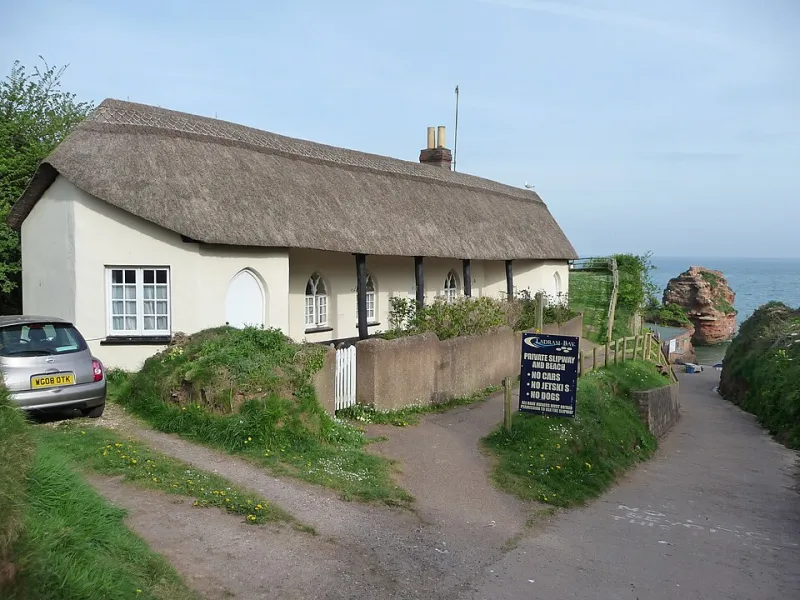
Photo: Lewis Clarke , CC BY-SA 2.0, via Wikimedia Commons
A cottage in Cornwall at £115 a night looks like a steal next to a hotel at £145. Then checkout arrives: £85 cleaning, £18 booking service charge, a £150 refundable deposit and £15 for the dog. Suddenly the bargain has a different shape.
That is the checkout sting. The nightly rate is only the headline. The real comparison is total cost divided by nights, and then divided again by the people sharing the space. Get those sums wrong and a UK cottage break can quietly become the most expensive way to spend a weekend.
The only number that matters: effective nightly rate
Ignore the listing’s nightly price for a moment. Use this instead:
Effective nightly rate = (nightly rate × nights + fixed fees) ÷ nights
Fixed fees are the costs that do not change whether you stay two nights or seven: cleaning, service charges, non-refundable damage waivers, pet fees, parking permits, linen charges and any mandatory booking fee. A refundable deposit is not a cost if you get it back, but it is cash you need at checkout, so treat it as a cash-flow issue rather than a price cut.
The same formula applies to the hotel, B&B or self-catering flat you are comparing. A hotel’s fixed fees might be parking, breakfast or a non-refundable rate. A B&B’s might be a pet charge. Compare like with like, not a cottage’s total against a hotel’s room-only headline.
Two nights: the cliff arrives early
Take a Cornwall cottage at £115 a night with £85 cleaning and £18 service. Two nights cost £230 in rent, plus £103 fixed fees, so £333 total. That is £166.50 a night.
A hotel at £145 a night for the same two nights is £290, or £145 a night. The cottage is £43 more expensive overall. A B&B at £120 a night is £240, or £120 a night, and the cottage is nowhere near it.
Short stays are where holiday lets struggle. The cleaning fee has less time to spread itself across the booking. Unless the cottage is unusually cheap per night, or you are splitting it across four or six people, two nights rarely work on price alone.
Three nights: closer, but not automatic
The same Cornwall cottage for three nights is £345 rent plus £103 fixed fees, so £448 total. Divide by three and the effective rate is £149.33. The £145 hotel is still cheaper, but only by about £13 across the stay.
Now add hotel parking at £10 a night. The hotel total rises to £465, and the cottage wins by £17. That is the sort of detail that flips a booking. A cottage with free parking and a hotel with a £12-a-night car park can reverse a result that looked obvious from the nightly rates.
Three nights is also where self-catering starts to make sense for other reasons: a kitchen for breakfast, a washing machine after a muddy walk, and space to put a toddler down without everyone whispering. The maths is tight, but the practical value is real.
Five nights: the cottage starts to pull ahead
Five nights in the same Cornwall cottage: £575 rent plus £103 fixed fees is £678, or £135.60 a night. The £145 hotel is £725 for five nights, or £145 a night. The cottage saves £47 before you count breakfast or parking.
A self-catering flat with a £50 cleaning fee changes the picture again. If the flat is also £115 a night, five nights cost £575 plus £50, so £625, or £125 a night. That beats both the cottage and the hotel, and it shows why the cleaning fee deserves its own line in your comparison rather than being lumped into the rent.
Five nights is often the sweet spot for a UK cottage: long enough to spread the fixed fees, short enough to avoid the weekly rate trap where a seven-night minimum pushes the total up.
Seven nights: usually wins, but watch percentage charges
Seven nights at £115 a night is £805 rent. Add £85 cleaning and an £18 fixed service charge and you get £908, or £129.71 a night. Against a £145 hotel, the cottage is comfortably ahead.
But service charges are not always fixed. If the booking platform adds 12% to the accommodation total instead of £18, that is £96.60 on £805. The cottage total becomes £986.60, or £140.94 a night. The hotel at £145 is now only £4.06 a night behind. Add hotel breakfast and the hotel can win.
This is the trap with percentage fees: they grow with the length of stay. A £20 fixed fee is painful on two nights and trivial on seven. A 12% service charge is the opposite. Always check whether the fee is flat or a percentage before you assume a longer stay solves everything.
A quick regional reality check
In the Lake District in peak season, a cottage at £140 a night with £95 cleaning needs three nights to cost £515, or £171.67 a night. A hotel at £160 a night is £480 for three nights, or £160 a night. The cottage loses. At five nights the cottage is £795, or £159 a night, and it edges ahead of the £160 hotel.
In Norfolk off-season, a cottage at £90 a night with £60 cleaning costs £240 for two nights, or £120 a night. A B&B at £105 a night is £210, or £105 a night. The cottage loses on two nights. At five nights the cottage is £510, or £102 a night, and it wins.
The Cotswolds can be tighter. A cottage at £130 a night with £80 cleaning costs £340 for two nights, or £170 a night. A hotel at £150 a night is £300, or £150 a night. At four nights the cottage is £600, or £150 a night, and the two are level. The cottage only starts saving on the fifth night.
The break-even rule to carry in your head
Use the gap between the nightly rates, then divide the cottage’s fixed fees by that gap.
If the cottage is £20 a night cheaper than the hotel and has £80 of fixed fees, you need four nights to break even: £80 ÷ £20 = 4. If it is only £10 a night cheaper, you need eight nights. If the cottage is more expensive per night before fees, it never catches up on price alone.
For groups, divide the fixed fees by the number of people. An £80 cleaning fee is £20 per person for four friends, but £40 each for a couple. That is why a cottage can be poor value for two and excellent value for six.
Checklist: add these before you book
- Cleaning fee, and whether it is mandatory
- Booking or service charge, especially if it is a percentage
- Non-refundable damage waiver or admin fee
- Refundable deposit amount and when it is returned
- Linen, towels and heating charges
- Parking, pet fees and cot or high-chair hire
- Minimum-stay rules and cancellation terms
- Hotel extras you would actually use: breakfast, parking, pool or gym
When the cottage is still the right call
None of this means cottages are a bad deal. For a family of four in the Yorkshire Dales, a cottage with a kitchen can save £60 to £100 on meals alone over five nights. For a group of friends, the fixed fees shrink per person. For a wet week in the Peak District, a living room and a tumble dryer are worth paying for.
But the cottage should win on the total, not just the listing photo. Run the checkout maths before you fall for the fireplace. In 2026, the cheapest-looking nightly rate is often just the first line of a longer bill.